
Why companies recruit simultaneous and consecutive interpreters
The business case, the difference between the two modes, when each fits, and what it costs, so you can decide with facts.
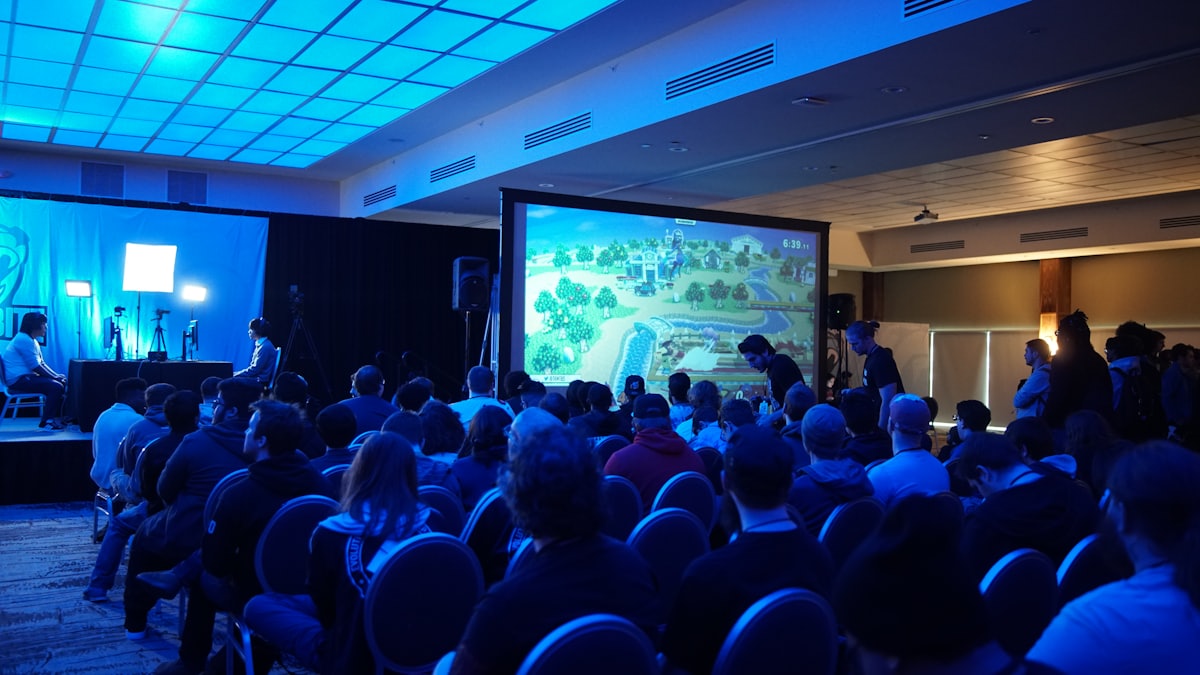
Companies recruit professional interpreters because language risk is business risk: negotiations lose nuance, proceedings lose validity and events lose audiences when interpreting is improvised. Simultaneous interpreters keep events at full pace for audiences; consecutive interpreters maximise precision in meetings. The mode follows the format, and both cost less than the mistakes they prevent.
The bilingual-employee experiment, and why it ends
Nearly every company tries it once: the meeting matters, someone on the team speaks both languages, the calendar is tight. Then the pattern shows itself: the colleague summarises instead of rendering, softens what should not be softened, is visibly a party to one side, and, in legal or medical contexts, may quietly invalidate the record.
Professional interpreters exist because transferring meaning under pressure is a discipline: trained memory and notation for consecutive, split attention held for hours in simultaneous, neutrality as a professional duty, and preparation as method. The remainder of this page shows when each mode earns its fee.

Simultaneous vs consecutive: the practical comparison
| Simultaneous | Consecutive | |
|---|---|---|
| How it works | Real time, from booth or portable kit | In the speaker's pauses, with notes |
| Meeting pace | Unchanged | Roughly doubled |
| Staffing | Two interpreters per language | One interpreter |
| Equipment | Booth, receivers, sound | None |
| Best for | Conferences, launches, training, town halls | Negotiations, boards, visits, legal, medical |
| Cost profile | Higher: pairs + equipment | Lower: per half-day or day |
Five situations where companies stop improvising
The recruitment trigger is usually one of five moments: a negotiation where a misread concession costs real money; an audience event where half the room disengages; a legal or notarial act where the law requires accredited interpreting; an audit or due diligence where precision is the product; or an international guest whose treatment signals how much the relationship matters. Each maps to a mode, and each is a phone call: +34 932 204 590.
What it costs, honestly
Consecutive: half-day and day rates, one professional, no equipment. Simultaneous: interpreter pairs per language plus booth and sound, quoted per channel. The pricing guide covers the wider service family, and every project gets a fixed itemised quote within one business day, so the decision is made with numbers rather than estimates.
Where to go from here
Audience event: conference interpreting with equipment included. Meeting or negotiation: business meeting interpreters. Court, notary or examination: legal interpreting. Urgent or remote: over-the-phone interpreting, staffed within hours.
The right mode, the right professional, before the meeting needs saving.
Get started
Request a Quote
Upload your document and tell us what you need. We respond within one business day with a fixed price and delivery date. No hidden costs. No obligation.
Frequently Asked Questions
- Because bilingual staff relay words while professional interpreters transfer meaning under pressure: negotiations keep their nuance, technical content keeps its precision, legal settings keep their validity, and international guests are treated at the level the relationship deserves. Companies hire interpreters for the same reason they hire auditors: the cost of amateur error exceeds the fee.
- Simultaneous interpreters render speech in real time while the speaker continues, from a booth or portable equipment, keeping events at full pace for any audience size. Consecutive interpreters render in the speaker’s pauses, doubling meeting time but maximising precision, ideal for negotiations and small groups. Mode follows format, not preference.
- Whenever an audience must follow content live: conferences, product launches, town halls, training sessions and multilingual events. Simultaneous requires two interpreters per language (they alternate every 20 to 30 minutes) plus booth or portable equipment, which is why it costs more and why nothing else works at scale.
- Negotiations, board meetings, client visits, audits, interviews and legal or medical appointments: any setting with dialogue rather than audience. Precision leads, no equipment is needed, and one interpreter covers the session. Most business situations are consecutive situations.
- Consecutive interpreters run per half-day or day; simultaneous requires pairs plus equipment, quoted per language channel. Against the stakes of the meetings involved, misread deal terms, an invalid proceeding, a failed audience event, interpreting is among the cheapest risk controls a company buys. Fixed quotes arrive within one business day.
- Three reasons companies learn once: skill (interpreting is a trained discipline, not a language level), neutrality (your employee is a party, which counterparties notice), and liability (in legal and medical settings, unqualified interpreting can invalidate the proceeding). Bilingual staff are invaluable colleagues and poor interpreters.
- Send the agenda, participant list, previous minutes, technical vocabulary and any decks in advance under NDA. Preparation is the highest-leverage input a client controls: an interpreter who knows your subject anticipates instead of chasing, and the meeting feels monolingual.