
Audiovisual translation for dubbing that opens new markets
Adequate audiovisual translation is not an easy task, but it is not impossible either. With professional dubbing and voice-over, you can translate your video content and boost your reach across languages and markets.
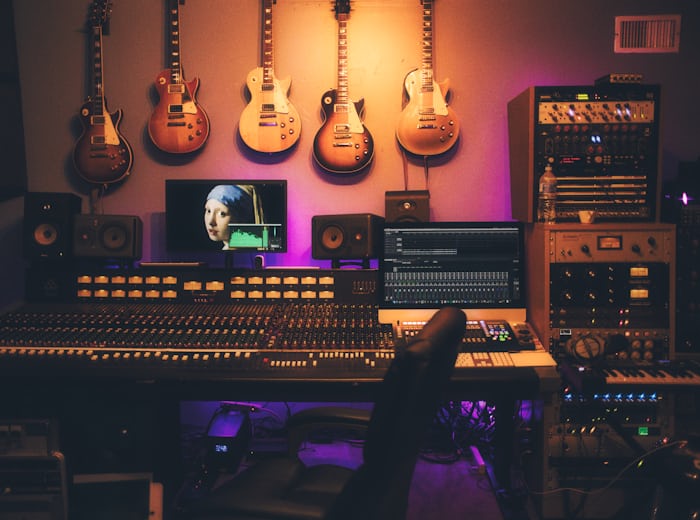
Dubbing services replace the original voices in film, series and corporate video with professional performances in the target language. End-to-end dubbing covers script adaptation, voice casting, studio recording and synchronisation. Orion Translations delivers full lip-sync dubbing, voice-over dubbing and free commentary in more than 25 languages.
What is audiovisual translation?
Audiovisual translation can be defined as the decoding and interpretation of content in audio and video format. This content may be advertising, informative or of various kinds. Translating the audiovisual content of your website matters because it helps you internationalise your brand.
There are different types of audiovisual translation, all of which vary according to the nature of the content and objectives. The two most common are dubbing (replacing the original voices with new ones in the target language) and subtitling (preserving the original audio and adding translated text on screen).
Types of dubbing
Classic dubbing is the one we find most often: the original voice is completely replaced by another in the language of the target audience. Done by professionals, the results are of a high level. Voice-over dubbing is most frequent in interviews and documentaries, the original audio is preserved but overshadowed by the translated audio, so you hear a person speaking at low volume while the main audio is the translated voice.
Free commentary is independent of the original sound, the announcer provides commentary that does not depend on the original audio, very common in sports broadcasts and live productions. Simultaneous interpreting is seen in live broadcasts, when a person is interviewed in one language and an interpreter translates live, the Oscars ceremony is a great example.
The benefits: better reach, better reputation
When you translate your audiovisual content you can reach many different markets. The advantage of professional dubbing is that, done by the right people, it is generally of the highest quality, and doubling your brand content lets you reach all types of audiences.
If your dubbing is done professionally, your target audience will thank you for it. Only true professionals can dub successfully and accurately. If it is done by inexperienced people, the results can be very negative, targeting Mexico with a European Spanish speaker is likely to leave the Mexican audience unsatisfied.
Dubbing or subtitling: which should you choose?
Dubbing is more immersive: the audience hears the content in their own language and never has to divide attention between the image and a line of text, which matters for children's content, fast-moving drama and any production where the visuals carry critical information. It is also the cultural default in several major markets. The trade-off is cost and time: dubbing requires script adaptation, casting, studio recording and mixing, so it is a larger investment than subtitling.
Subtitling preserves the original performances and is faster and more economical, which is why it is often the first step into a new market or the right call for festival submissions and film-lover audiences. Many productions use both: a subtitled version to test a market and a dubbed version once the audience is established. We can advise on the mix that fits your content, your budget and your release timeline, and deliver both as a coordinated project so the terminology stays consistent between versions.
Content companies should dub
If you want effective business results, these are the types of audiovisual content worth dubbing to reach a wider audience.
Popular AV localisation services
Dub your content with true professionals and reach audiences in any language.
Get started
Request a Quote
Upload your document and tell us what you need. We respond within one business day with a fixed price and delivery date. No hidden costs. No obligation.
Frequently Asked Questions
- Audiovisual translation for dubbing is the process of replacing the voices of the original actors with new voices in the language of the target audience. It combines translation with adaptation so that the new dialogue fits the timing, tone and, where needed, the mouth movements of the original performance.
- Dubbing replaces the original audio with a translated performance, while subtitling preserves the original audio and adds translated text on screen. Subtitling is generally faster and less expensive; dubbing is more immersive but requires casting, recording and synchronisation.
- We handle classic dubbing (full voice replacement), voice-over dubbing (the original audio is preserved at low volume under the translated track, common in interviews and documentaries), free commentary (independent of the original sound, common in sports and live productions), and simultaneous interpreting for live broadcasts.
- Only true professionals can dub successfully and accurately. Inexperienced dubbing can damage your reputation with the target audience. For example, targeting Mexico with a European Spanish voice is likely to leave the Mexican audience unsatisfied. Professional dubbing matches the right voice and register to the right market.
- Video advertising, informative content such as DIY videos and infographic presentations, and any content whose main format is audiovisual, YouTube channels, podcasts and short-form social video, all benefit from professional dubbing to reach a wider audience effectively.
- Dubbing is priced per finished minute and depends on the type of dubbing (full lip-sync costs more than voice-over dubbing), the number of voices to cast, the target languages and usage rights. A short corporate video costs a fraction of a broadcast series episode. Orion Translations provides a fixed quote and delivery date within one business day of seeing your material.
- A corporate video of a few minutes is typically adapted, cast, recorded and mixed within one to two weeks. Longer formats such as series episodes take longer because script adaptation, casting and studio time scale with duration. Deadlines are confirmed as firm dates at the quote stage, with expedited options for campaign launches.