
Series dubbing with voices audiences grow up with
Locked voice casts, episode-cadence production and season-long consistency, in English, Spanish (both variants) and 25+ languages.

Series dubbing gives every character one voice for the entire run: casts are locked per season, catchphrases stay identical, and production moves on an episode cadence. Orion Translations dubs series with continuity management built in, in English, Castilian and Latin American Spanish and more, with per-episode pricing and firm delivery schedules.
Audiences marry dubbed voices
Ask any dubbing territory: viewers who grew up with a series know the dubbed voice better than the original actor’s. That loyalty is earned by continuity, the same voice, episode after episode, delivering the same character, and it collapses the first time a catchphrase changes wording or a replacement voice appears unannounced.
Our series production is engineered for that continuity: contracted casts with understudies identified, a series bible fixing every character’s register and recurring lines, and a pipeline that holds quality at weekly cadence instead of treating each episode as a fresh project.
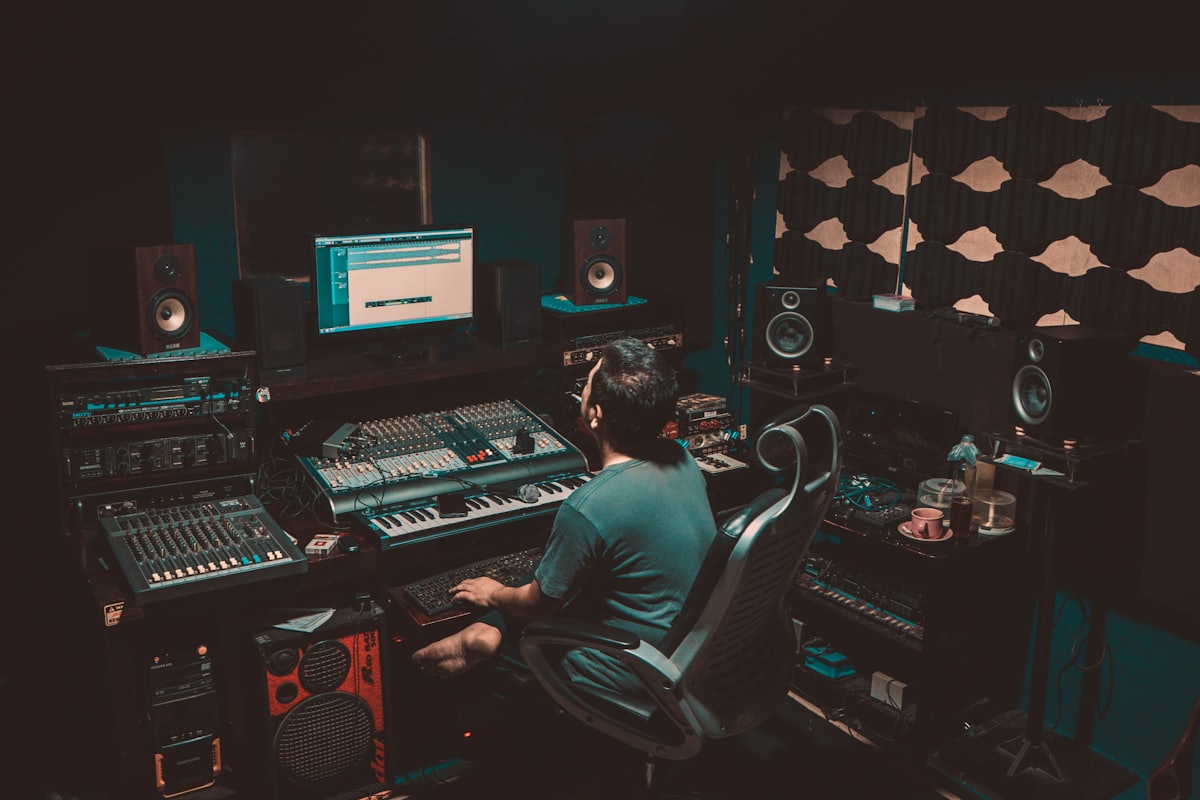
How a season moves through dubbing
| Phase | What happens | Cadence |
|---|---|---|
| Season setup | Casting with your approval, series bible, glossary | Before episode 1 |
| Pipeline | Adaptation, recording, mix as rolling stages | Episode/week per language, steady state |
| QC per episode | Sync, continuity and mix check against bible | Before each delivery |
| Season close | Consistency pass, bible updated for next season | After finale |
How much does series dubbing cost?
Per minute with season rates: the setup investment (casting, bible, adaptation style) is spread across the run, so per-episode cost falls after the opening episodes. Recurring cast size is the main driver. Pilot plus season scope to info@oriontranslations.com gets you a per-episode, per-language fixed quote within one business day, with the subtitle option priced alongside.
Two Spanish tracks, one series
Series distributed across Spain and Latin America increasingly carry both Spanish dubs, cast and adapted separately, because a Madrid teenager and a Mexico City teenager do not speak the same slang. The series bible keeps both tracks telling the same story with the same character logic. The pair-level detail lives at English-Spanish dubbing.
Dubbing, subtitles and scripts from one team
Most series need every deliverable: series subtitles for platforms, dubs for key territories, script translation for coproduction paperwork. Running them through one glossary means the subtitle never contradicts the dub, and shared preparation lowers the combined cost.
One voice per character, from the pilot to the series finale.
Get started
Request a Quote
Upload your document and tell us what you need. We respond within one business day with a fixed price and delivery date. No hidden costs. No obligation.
Frequently Asked Questions
- Continuity across dozens of hours: each character keeps one voice actor for the entire run, catchphrases stay word-identical, and terminology holds across seasons. Production runs on an episode cadence with a stable cast schedule, which takes planning a one-off film never needs. Audiences bond with dubbed voices; changing one mid-season is a community event, and not a good one.
- Per minute with season volume rates, scaled by the recurring cast size. Because casting, glossary and adaptation style are established in the first episodes, later episodes run faster and cheaper. Send a pilot and the season scope for a per-episode fixed quote within one business day.
- Yes, that is the standard workflow once the voice cast is set: adaptation, recording and mix run as a pipeline, with each episode moving through while the next records. Typical steady-state cadence is an episode per week per language, faster where scripts arrive ahead of picture.
- We plan for it: contracts cover season availability, and every principal role has an understudy voice identified from casting onward. If a change is unavoidable, the replacement is matched to the established voice, not just the original actor, because the dubbed voice is now what the audience knows.
- Yes, as separate casts and adaptations when distribution covers both markets, because vocabulary, slang and even character register differ. Platforms increasingly commission both tracks; budget-constrained releases pick per territory, and we advise using your actual distribution plan.
- Yes, and it is the efficient route: one glossary and series bible feeds both, so the subtitled and dubbed versions never contradict each other, and shared transcription work reduces the combined price. Scripts for coproduction can be translated by the same team as well.
- Drama, comedy, documentary series, children’s animation and reality formats. Comedy and children’s content are the craft tests: jokes must land in lip-sync, and young audiences accept nothing less than natural voices. Our adapters and casts are chosen per genre accordingly.